Ayanlar Höyük — Key Facts
For a long time the story of the world's first monuments was told through a single name: Göbekli Tepe. That story is changing. Karahan Tepe already showed that Göbekli had a sister. Ayanlar Höyük is part of the growing evidence that it had a whole family — a network of Neolithic communities spread across the hills west of Şanlıurfa, sharing a world of symbols, architecture and craft.
Another node on the map
Ayanlar Höyük is a developing excavation in the Cudi–Fatik catchment, part of the Taş Tepeler ("Stone Hills") project that also includes Karahan Tepe, Göbekli Tepe, Sayburç, Sefer Tepe and others. It is early in its excavation life, and much of what will make it important is still in the ground. But its position matters: every new site like Ayanlar tightens the picture of a densely settled Neolithic landscape, where communities were close enough to share ideas, styles and possibly people.
This is why the phrase "Göbekli Tepe wasn't alone" is more than a headline. The old model imagined a lone sanctuary visited by scattered hunter-gatherers. The emerging model is a connected region — many places, built over centuries, in conversation with one another. Karahan Tepe is the most spectacular of those places so far. Ayanlar is one of the nodes that proves it was never on its own.
What has come out of the ground
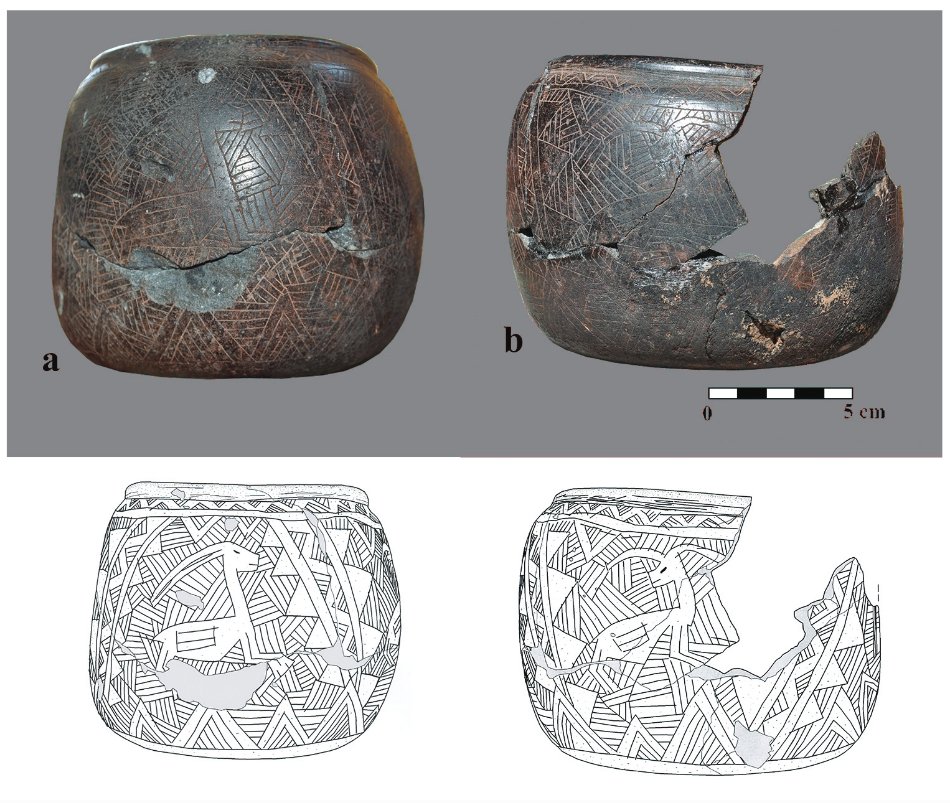
The finds so far are the everyday and symbolic tools of Neolithic life: decorated stone vessels and dishes, chipped-stone blades and implements, and grindstones for processing plants. Reporting has also noted a possible leopard-head sculpture fragment — which, if confirmed, would tie Ayanlar directly into the region's most powerful animal symbol, the same leopard that dominates the imagery at Karahan Tepe and appears in the famous relief at Sayburç.
Why it changes the Karahan Tepe story
Ayanlar helps answer a question people always ask about Karahan Tepe: how could hunter-gatherers build something so ambitious? The answer the Taş Tepeler project keeps returning is that they weren't isolated bands stumbling onto monument-building. They were part of a broad, interconnected society with shared traditions — enough people, skill and continuity to raise stone rooms and carve a bestiary into bedrock. Each site like Ayanlar makes Karahan Tepe look less like a miracle and more like the masterpiece of a whole civilization-in-the-making.
Frequently asked questions
What is Ayanlar Höyük?
A developing Pre-Pottery Neolithic excavation in the Taş Tepeler region west of Şanlıurfa, Türkiye — one of the network of sites that includes Karahan Tepe and Göbekli Tepe.
How is it related to Karahan Tepe?
They belong to the same Neolithic cultural landscape. Shared craft, symbols and architecture across these sites suggest connected communities rather than isolated settlements.
What was found at Ayanlar Höyük?
Decorated stone vessels and dishes, stone blades and tools, grindstones, and a reported possible leopard-head sculpture fragment. Excavation is still at an early stage.
Karahan Tepe Research & Archive · Last updated July 2026.
Ayanlar Höyük is an early-stage excavation; details here are reporting-grade and draw on the Taş Tepeler project (led by Prof. Necmi Karul) and associated coverage. We describe what has been reported and flag what remains provisional, including the possible leopard-head sculpture. This is a living archive summary, not an official academic publication.
Explore further: What Is Karahan Tepe? · The Leopard · Karahan vs Göbekli · More discoveries