 Karahan TepeResearch & Archive
Karahan TepeResearch & Archive
Karahan TepeResearch & Archive
The People Behind the Dig
Karahan Tepe is the work of a Turkish-led excavation under Prof. Necmi Karul, inside the national Taş Tepeler programme. Here is who found it, who digs it, and how they publish.
Behind every fact on this site is a team of living archaeologists. Karahan Tepe is not a mystery that solved itself — it is the work of a Turkish-led excavation under Prof. Necmi Karul, inside the national Taş Tepeler programme. Knowing who is digging, and how they publish, is part of reading the evidence well.
Karahan Tepe (Kurdish: Girê Mîrzê / locally “Gir-Ke-el”) was first recorded in 1997, when surface surveys around Şanlıurfa — associated with researcher Bahattin Çelik — noted T-shaped pillars and worked stone protruding from the hill.[1] For years it was known mainly from these surface finds, a promising but unexcavated cousin of Göbekli Tepe.
Systematic excavation began in 2019 under Prof. Dr. Necmi Karul of Istanbul University, and it is his 2021 report, Buried Buildings at Pre-Pottery Neolithic Karahantepe, that anchors most of the structural detail in this archive.[1][2] It was under Karul’s direction that the Pillar Room, the Central Building, the rock-cut head, the phallic pillars and the deliberate burial of the structures were documented — and, in the 2023–2025 seasons, the Western Terrace buildings and the first human-faced T-pillar.[3]
The excavation sits inside Taş Tepeler (“Stone Hills”), a research programme launched in 2021 by the Republic of Türkiye Ministry of Culture and Tourism, coordinating Karahan Tepe with Göbekli Tepe, Sayburç, Sefertepe, Çakmaktepe and other Neolithic sites across the Şanlıurfa region.[2] The programme frames Karahan not as an isolated wonder but as one node in a connected Neolithic landscape — the framing this archive follows throughout.
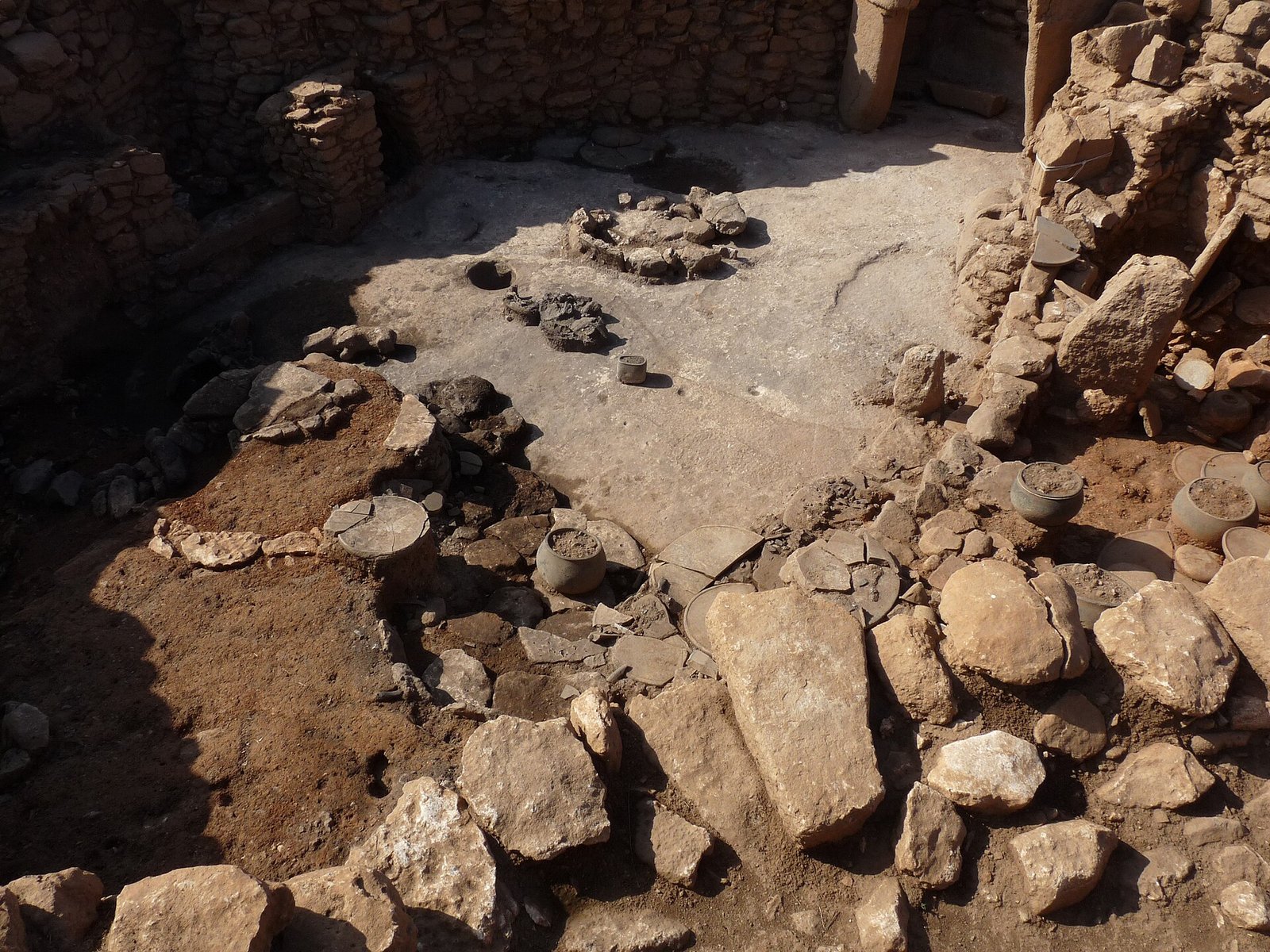
The movable finds — the “Ribbed Man” statue, carved heads, the leopard and vulture sculptures, stone vessels and plates — are held and displayed at the Şanlıurfa Archaeology Museum, one of the richest Neolithic collections anywhere. Several museum objects illustrated in this archive were photographed on site by researcher Dakota Wint.
Archaeology moves in two speeds: fast season announcements (ministry statements, interviews, press) and slow formal publication (peer-reviewed reports with plans, loci and catalogues). We cite Karul 2021 as the peer-reviewed backbone and mark 2024–2025 discoveries as reporting-grade until the formal record catches up. That is not a knock on the team — it is how responsible fieldwork is released, and reflecting it accurately is part of the job.
Prof. Dr. Necmi Karul of Istanbul University has directed systematic excavation since 2019, within the Ministry of Culture and Tourism’s Taş Tepeler project.
It was recorded in 1997 through surface surveys around Şanlıurfa associated with Bahattin Çelik, before systematic excavation began in 2019.
At the Şanlıurfa Archaeology Museum, which holds the statues, carved heads and sculptures recovered from the site.
Karahan Tepe Research & Archive · Last updated July 2026. This page is an independent synthesis of the published record; it separates documented fact, interpretation, and open question, and is not an official academic publication.
Peer-reviewed excavation detail follows Karul 2021. Finds reported in 2024–2025 seasons are cited to project announcements and reputable coverage and are flagged as reporting-grade pending formal publication. See Sources & Method and Open Questions.
Continue in The Atlas, or see Open Questions and Sources & Method.
See It For Yourself
Our small-group expedition takes you into Karahan Tepe's chambers with expert guides who explain what each one actually tells us.
Visit with our expert team →Free E-Book
Join the archive and receive our free e-book — plus updates whenever new discoveries emerge from the site.
No spam. Unsubscribe anytime.