 Karahan TepeResearch & Archive
Karahan TepeResearch & Archive
Karahan TepeResearch & Archive
Complete 2026 Visitor Guide
Visiting the world's oldest temples is easier than most people expect — but it takes a little planning. Here's how to get there, what it costs, when to go, and how to see both Karahan Tepe and Göbekli Tepe in a single day.
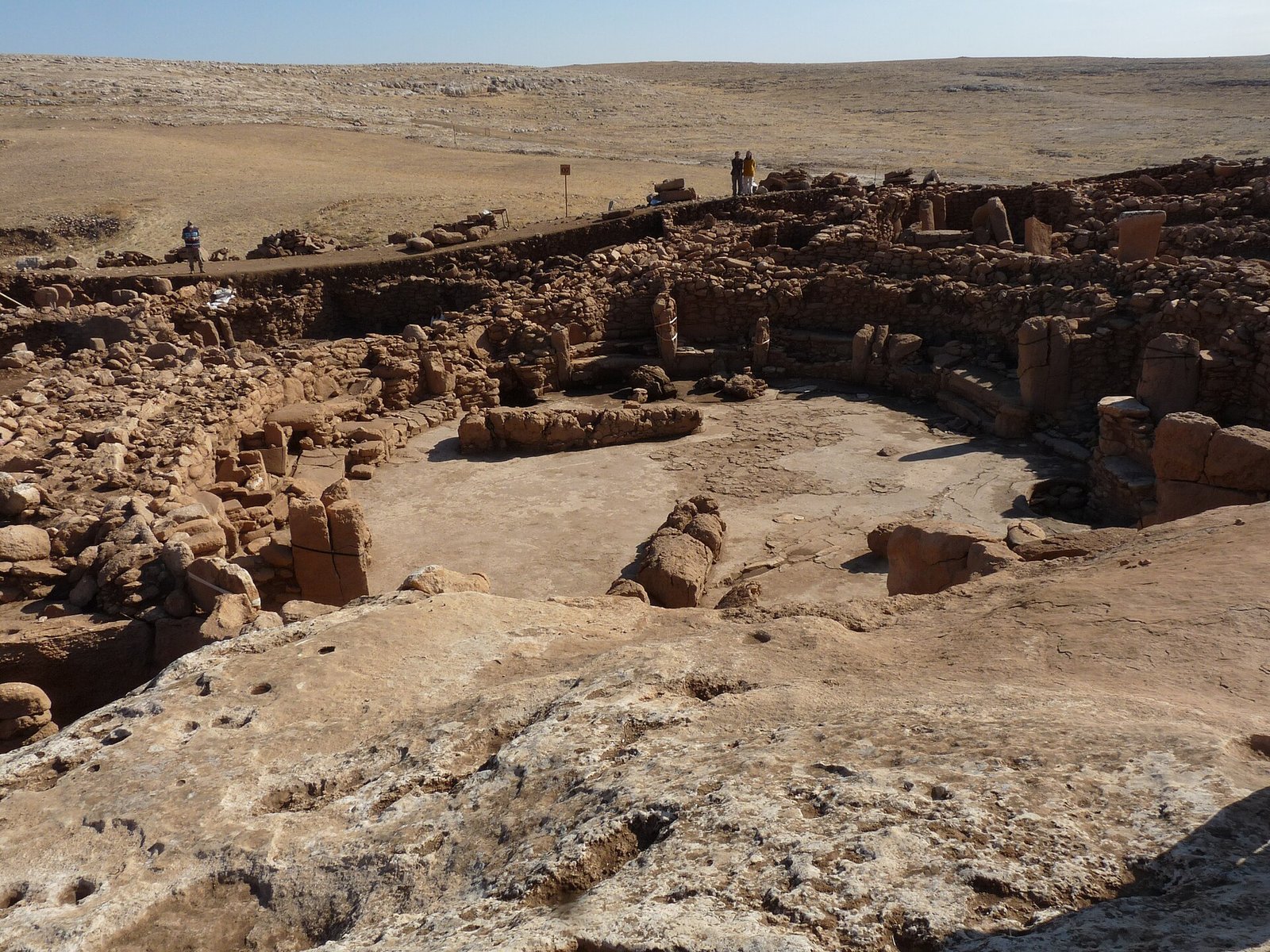
Hidden in the hills around Şanlıurfa, Karahan Tepe and Göbekli Tepe are two of the most extraordinary places on Earth — and thanks to recent improvements, both are now genuinely visitable. Karahan Tepe is open to the public, though it remains an open-air, active excavation site rather than a developed attraction — there is no built walkway or protective shelter yet (a protective roof over the excavated area is planned for after the 2026 season). Here's everything you need, section by section.
The whole region is served by Şanlıurfa GAP Airport. Turkish Airlines and Pegasus fly there several times daily from Istanbul — roughly a 1.5-hour flight, often under $50 one-way if booked ahead. Şanlıurfa is your base for everything.
Göbekli Tepe sits roughly 15 km northeast of the city — a short taxi ride or tour transfer, with a visitor centre and shuttle to the site itself.
Karahan Tepe lies southeast of the city near the village of Keçili, usually 50–70 minutes' drive. By car, head out on the D400 toward Viranşehir and follow the signposted turn-offs; the last stretch is a paved secondary road to the site car park. GPS: 37.058°N, 39.167°E. There is no public transport to the site — you'll need a car, an agreed-fare taxi, or a guided tour.
Base yourself in Şanlıurfa and add the Archaeology Museum (home of "Urfa Man," the oldest known life-size human statue), the Haleplibahçe mosaics, Balıklıgöl (the Pools of Abraham), and — with more time — Harran's beehive houses.
Karahan Tepe and Göbekli Tepe sit on opposite sides of Şanlıurfa. Here's the lay of the land — tap through for live turn-by-turn directions.
Southeastern Türkiye is rewarding but remote, and there's no public transport to Karahan Tepe. We arrange the practical side end-to-end, so you can focus on the site — not the driving, the language, or the guesswork.
Southeastern Türkiye has a continental climate — hot, dry summers and cool winters. The season you choose shapes the whole trip.
The steppe turns green and wildflowers blanket the hills. Comfortable from morning to dusk, with long, soft light — the most photogenic season. If you can choose, come now.
The summer heat breaks, crowds thin, and the light turns gold. Nearly as good as spring and often quieter — an easy second choice for a relaxed visit.
Extremely hot and exposed — there is almost no shade on the ridge. If you visit now, arrive at 8 AM opening, carry plenty of water, and keep it short.
Cold, sometimes wet or snowy, but dramatic and nearly empty. Dress in warm layers and check road conditions after storms before driving out.
Adding Mount Nemrut to a longer trip? That's effectively an April–November destination because of winter snow on the summit.
Karahan Tepe is an open-air site on an exposed limestone ridge, with uneven terrain and no facilities. Come prepared.
Ambitious but very doable. Göbekli and Karahan are about an hour apart by road, so with an early start — ideally moving by 8:30 AM — you can visit both, with the Şanlıurfa Museum in between, in a single full day. The most relaxed approach is two days: one for Göbekli Tepe and the city, one for Karahan Tepe and the surrounding Taş Tepeler landscape. Not sure which to prioritise? Our Karahan vs Göbekli comparison breaks it down.
You can absolutely visit independently, and many people do. The trade-off is context: these are subtle, ancient sites where almost everything meaningful is invisible without someone to explain it. A knowledgeable guide is the difference between "old stones in the sun" and understanding what you're standing in front of — which is exactly why we run small-group expeditions with expert commentary.
Base yourself in Şanlıurfa (locally just "Urfa"). The city ranges from international-standard hotels to restored courtyard houses in the old town near Balıklıgöl. Staying central puts you a short drive from Göbekli Tepe, close to the museums and bazaar, and within reach of Karahan Tepe for a half-day trip. There is no visitor accommodation at the sites themselves.
Morning at Göbekli Tepe before the heat, then the Şanlıurfa Archaeology and Mosaic Museums in the afternoon, ending at Balıklıgöl and the bazaar at golden hour.
Drive out to Karahan Tepe in the morning while it's cool and quiet, then loop south to Harran's beehive houses on the way back.
Short on time? Both temples fit into a single long day — but two days lets you slow down and take in the museums that tie the story together.
Karahan Tepe rewards the prepared. Twenty minutes of reading beforehand is the difference between "impressive old rocks" and standing in the Pillar Room knowing exactly what you're looking at. Start here:
Want it all in one place? Our free Complete Field Guide gathers the highlights into a single illustrated PDF you can read on the plane.
Sources & further reading: 2026 visitor information for the Şanlıurfa sites; the official Türkiye museums portal (muze.gov.tr) and MüzeKart; and the Taş Tepeler project (tastepeler.org). Prices, hours, and access arrangements change frequently — always confirm current details before you travel. This is a living guide and we update it as conditions change.
Small-Group Expeditions
Visit Karahan Tepe with our expert team. Our Göbekli Tepe & Karahan Tepe expeditions journey through the Taş Tepeler region alongside Harran, Mount Nemrut, Cappadocia, and Hattusa — built for people who want real historical depth, not general tourism. Small groups, expert-led, transparent inclusions, departures arranged around you.
Free E-Book
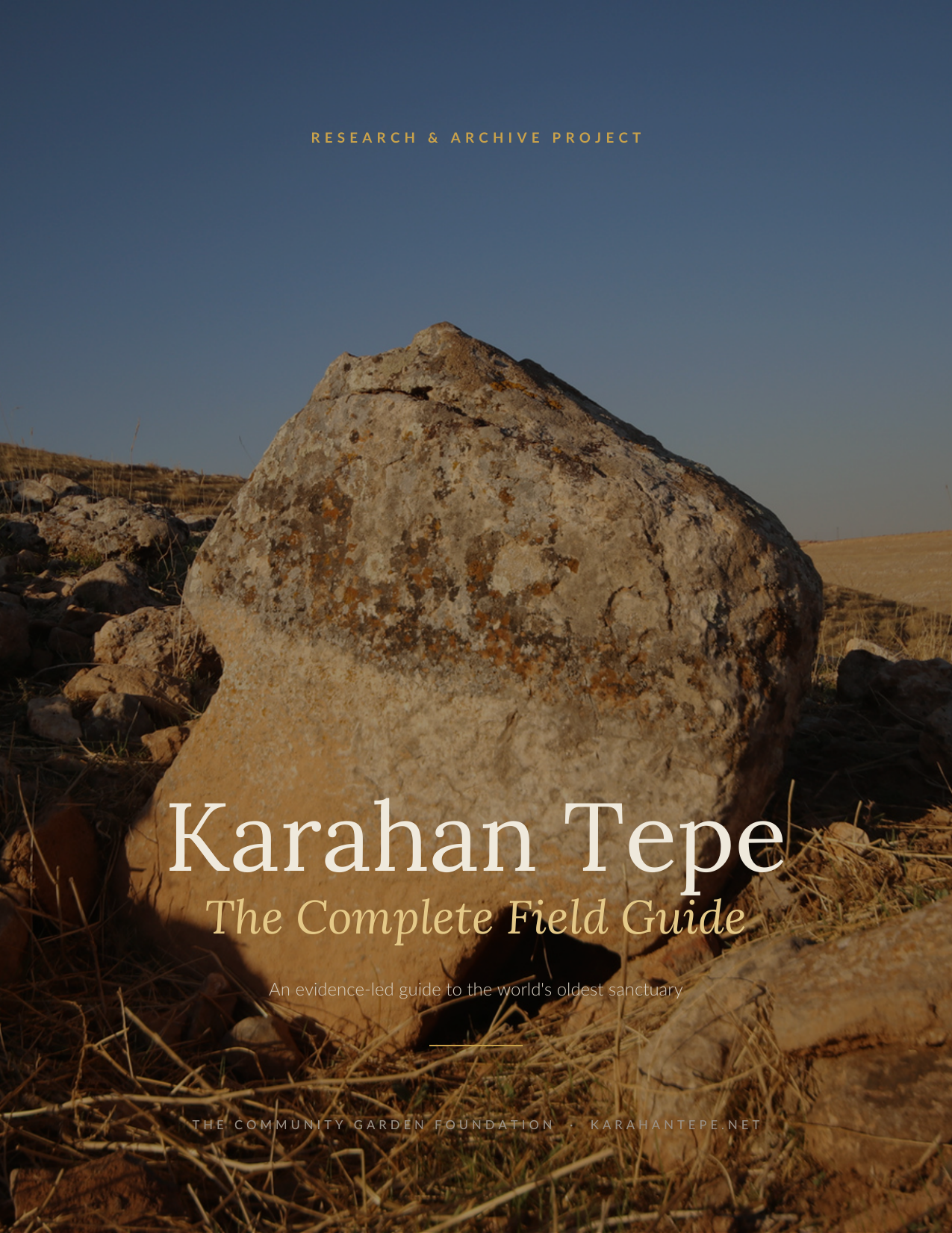
Join the archive and receive our free e-book, "Karahan Tepe: The Complete Field Guide" — plus updates whenever new discoveries emerge from the region.
No spam. Unsubscribe anytime.