 Karahan TepeResearch & Archive
Karahan TepeResearch & Archive
Karahan TepeResearch & Archive
Discoveries · 2026 Season
A 70 cm statue found at Karahan Tepe in 2026 shows a person sitting on a leopard's back — a composition with no known parallel at the site, and the exact reverse of an earlier Karahan sculpture.
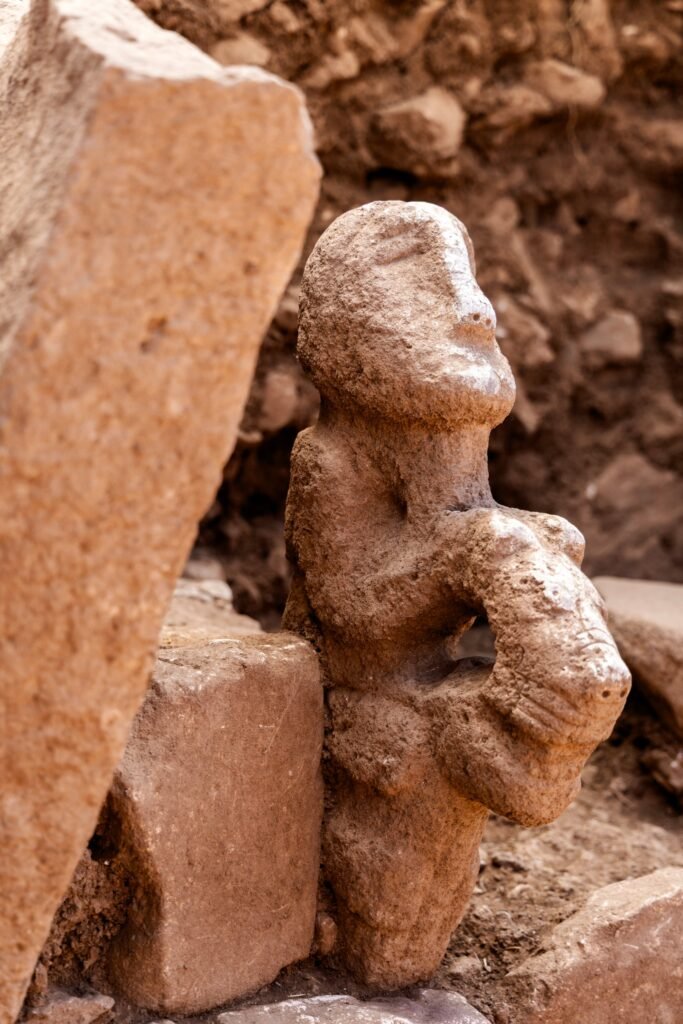
Karahan Tepe has done it again. In the 2026 excavation season, archaeologists uncovered a roughly 70-centimetre statue of a human seated on the back of a leopard — a composition, the excavators say, unlike anything previously documented at the site. It was found in situ, resting on a stone bench that runs along the wall of a small, flat-stone-paved structure about three metres across.[1]
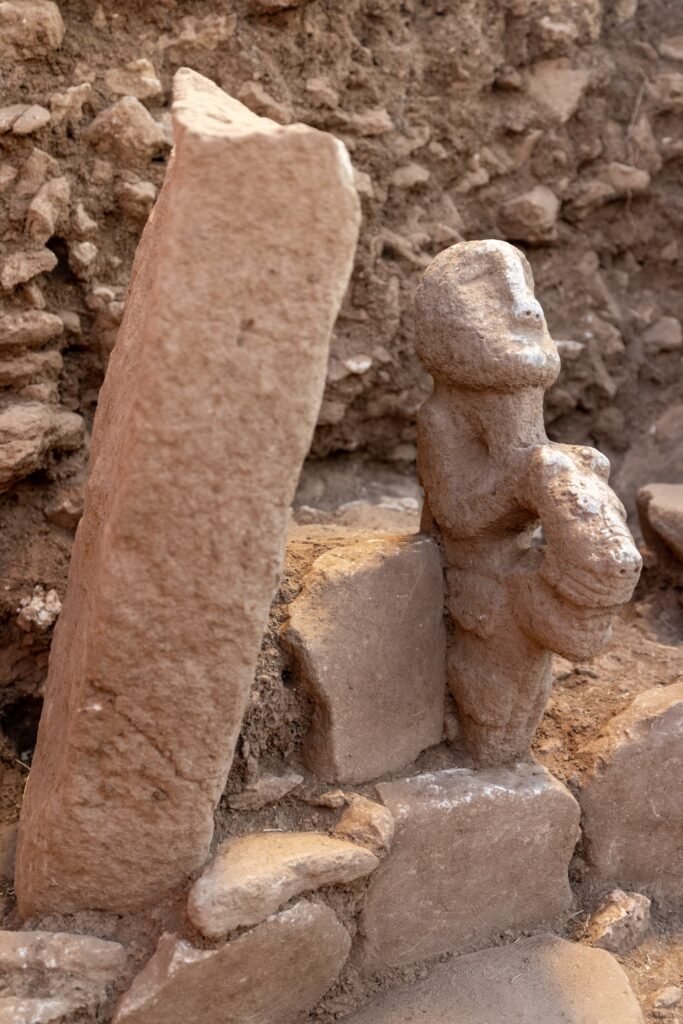
The Ministry has not yet released a detailed excavation report, so the sculpture's material, precise date and function remain open.[1] What can already be seen is the arrangement itself: a human figure placed directly on the back of a leopard, the two bodies carved as a single composition. Because it was found on a bench inside a small built space, its placement was almost certainly deliberate and meant to be seen — though whether it stood there throughout the building's life or was set down as part of the room's closure is exactly the kind of question the excavation will need to answer.
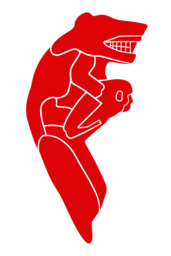
What makes the new find so arresting is that Karahan Tepe has shown this human–leopard relationship before — in reverse. An earlier Karahan sculpture depicts a human carrying a leopard on their back, the animal's open mouth and bared teeth making clear it is no docile pet, its legs wrapping around the person beneath it.[1] The 2026 statue flips that arrangement: now the human sits above the animal.
It would be premature to treat the two as consecutive scenes from one story — they were not found together, and no text survives to link them. But together they show that Karahan's sculptors returned, more than once, to the physical relationship between a person and one of the region's most dangerous predators. Whether that relationship signalled control, confrontation, transformation, or something we have no word for cannot yet be established, and we won't pretend otherwise.
The two sculptures belong to a wider Neolithic preoccupation. The pairing of a human and a leopard recurs across Karahan Tepe and the Taş Tepeler — a regional version of the ancient “Master of Animals” theme, in which a person is shown mastering, holding, or fused with a dangerous predator. And there's a consistent convention to it: in the usual arrangement, the leopard is on the human — clinging to, or carried on, the person's back, jaws open and legs wrapped around the body beneath.
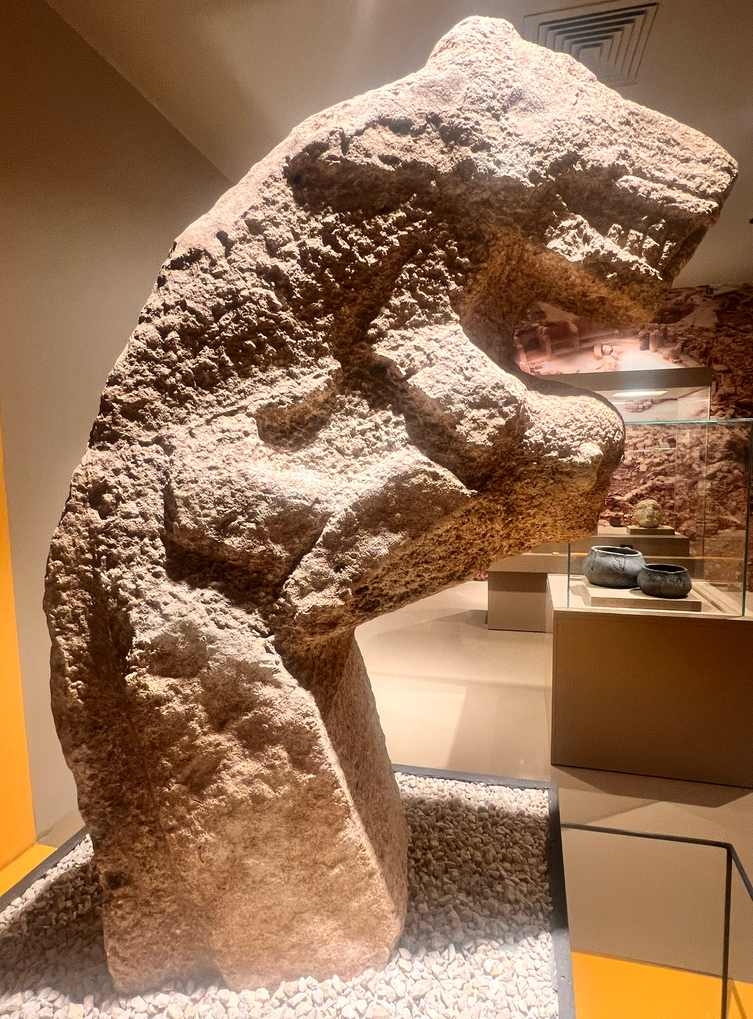
The 2026 statue turns that convention inside out. Here the human sits on the leopard rather than beneath it. One reading — and we offer it as interpretation, not established fact — is that the reversal depicts a transformation: a shaman or ritual specialist merging with, riding, or drawing on the animal's power, the kind of human–animal crossing that runs through the imagery of many early ritual societies. Where the older sculptures may show a person bearing the predator — carrying its danger, or subdued by it — the new one may show a person who has, in some sense, become one with it. It could equally read as control, confrontation, or a myth we have no other trace of. The reversal is the fact; the transformation is a hypothesis, and the full excavation context may yet narrow the field.
Leopards were real animals in the landscape around Karahan Tepe and Göbekli Tepe — but in the region's art they are almost never mere background wildlife. Felines recur on pillars and in three-dimensional sculpture, frequently with open jaws, raised tails and carefully marked teeth, and at Göbekli Tepe and Sayburç dangerous animals are repeatedly placed close to human figures in what look like deliberately composed scenes.[1] Our own study of the Karahan leopard traces how the same predator appears both carved in stone and curated as bone across the Taş Tepeler.
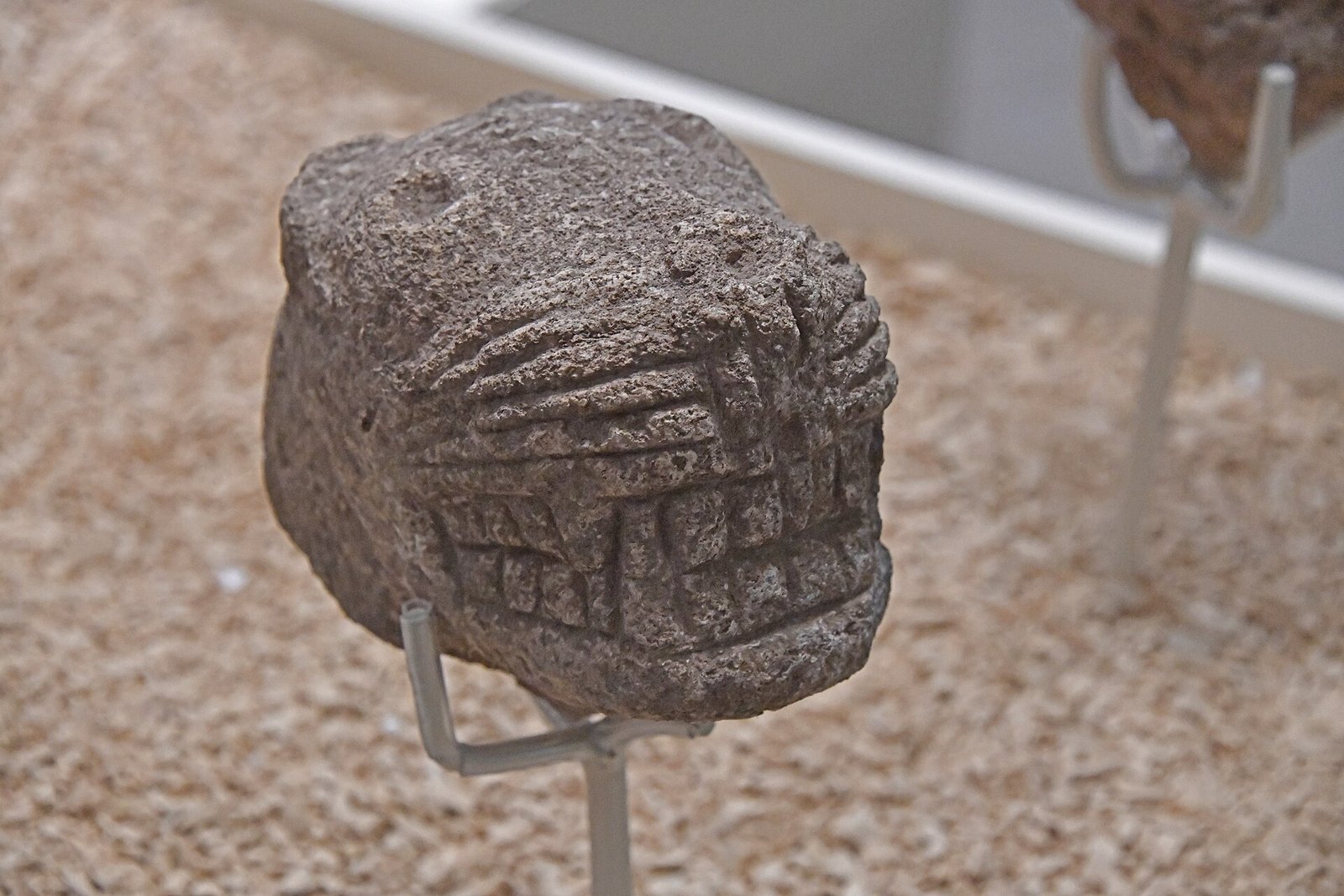
Excavation at Karahan Tepe only began in 2019, yet even the limited area opened so far has produced an unusual concentration of human faces, heads and full-body figures. In 2023, a 2.3-metre human statue was found fixed within a bench — deeply carved ribs and a pronounced spine giving it an emaciated, deathlike look, with a stone vulture set nearby (see the human figures). In 2025 came the first T-shaped pillar carved with a clear human face, strengthening the reading that these pillars were people, not just supports — alongside a leopard sculpture, a small figurine, and a nested-vessel scene of a fox, a boar and a vulture just centimetres tall.[1]
The 2026 statue differs from all of these. It is neither a lone human portrait nor an animal shown by itself: its meaning lives entirely in the way the two bodies have been joined. That places it squarely in Karahan's deepening record of the human form — and its relationship to the animal world.
Depictions like this have prompted readings involving power, danger, group identity and ritual performance. None can be applied automatically here. The people who made the statue left no written explanation, and a similar animal could have meant different things depending on the building, the audience or the occasion. What is documented is a 70 cm human-on-leopard sculpture on a bench in a paved structure; what it meant is, for now, an open question.
The material and precise date await the Ministry's report. So does the crucial question of context: did the statue stand on its bench throughout the building's use, or was it deposited when the room was closed — the kind of deliberate closure documented elsewhere at Karahan (see They Buried Their Temple)? And how does it relate to the earlier "human carrying a leopard" sculpture — two takes on one idea, or two unrelated moments? Until the excavation publishes the full context, the story stays open. What the statue already adds is undeniable: an 11,000-year-old encounter between a person and a predator, fixed in stone in a form not previously seen at Karahan Tepe.
A roughly 70 cm statue of a human seated on the back of a leopard, uncovered in the 2026 season on a stone bench inside a small paved structure. It is an unprecedented composition for the site.
It's not yet known. Leopards carry strong symbolic weight in Taş Tepeler art, but the statue's specific meaning — control, confrontation, transformation, or something else — cannot be established until the excavation publishes the full context.
The earlier sculpture shows a human carrying a leopard on their back; the 2026 statue reverses this, placing the human on the leopard. The two were not found together and are not confirmed to be related.
It's a plausible interpretation, not an established fact. Where the usual "man and leopard" sculptures show a person bearing or subdued by the predator, this one shows the human above the animal — which some would read as a person merging with or drawing on the leopard's power, a human–animal transformation of the kind seen in much early ritual art. Control or confrontation are equally possible; the meaning awaits the full excavation context.
Karahan Tepe Research & Archive · Published August 2026.
The 2026 human-on-leopard statue (~70 cm, in situ on a bench in a ~3 m paved structure) is reported from Türkiye's Ministry of Culture and Tourism announcement and coverage by Anatolian Archaeology; material, date and function are not yet formally published and are flagged reporting-grade. Photographs of the statue are © Türkiye's Ministry of Culture and Tourism, released with the discovery announcement and reproduced here with credit; the museum leopard sculpture shown lower on the page is a separate, published Karahan Tepe object (Şanlıurfa Archaeology Museum). The comparison with the earlier "human carrying a leopard" sculpture, and all symbolic readings, are offered as interpretation. This is a living archive summary, not an official academic publication.
Peer-reviewed excavation detail follows Karul 2021. Finds reported in the 2024–2026 seasons are cited to project announcements and reputable coverage and are flagged as reporting-grade pending formal publication. See Sources & Method and Open Questions.
Explore further: The Leopard of Karahan · Human Figures · Symbols & Animals · More discoveries
Free E-Book
Join the archive and receive our free e-book — plus an update whenever a new find emerges from Karahan Tepe and the wider Taş Tepeler region.
No spam. Unsubscribe anytime.